—
## 🌱 What is Honey Locust?
* Honey Locust is a deciduous tree from the family Fabaceae. It can grow 15–30 m tall and live for many decades.
* Although its name suggests a connection to honey, the tree isn’t a “honey plant.” The name comes from the sweet, sugary pulp inside its seed pods. ([journals.lww.com][1])
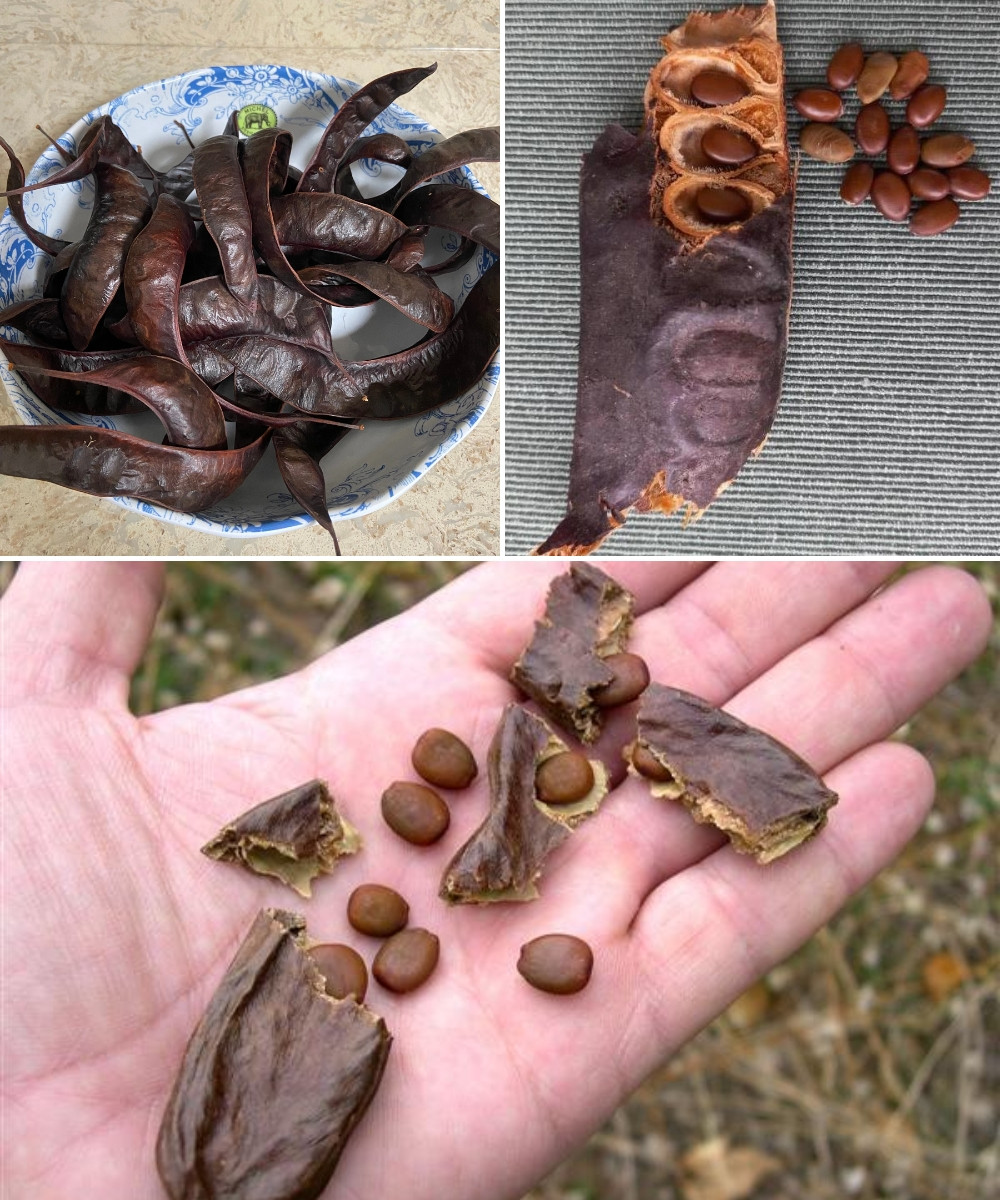
* The pods are legumes — typically 15–40 cm long — containing bean-like seeds encased in sweet, pulpy tissue. ([feedipedia.org][2])
Because of its resilience and adaptability, Honey Locust is widely naturalized beyond its native range (originally eastern North America), and can thrive in varied soils — even poor or degraded ones. ([arboretum.live][3])
—
## 🍯 Edible & Nutritional Uses
### Pods & Pulp
* The sweet pulp inside the seed pods is edible (unlike some related species), and has historically been eaten raw or used as a kind of sweetener or sugar substitute. ([Ecotenet][4])
* Young pods may also be cooked and eaten. ([practicalplants.org][5])
* In some traditions, the pulp is soaked or boiled to produce a sweet drink; in other cases, the sugar-rich pulp was even fermented (similar to how certain legumes are used) to make beverages. ([INPS – Indiana Native Plant Society][6])
