ADVERTISEMENT
What Is Taro?
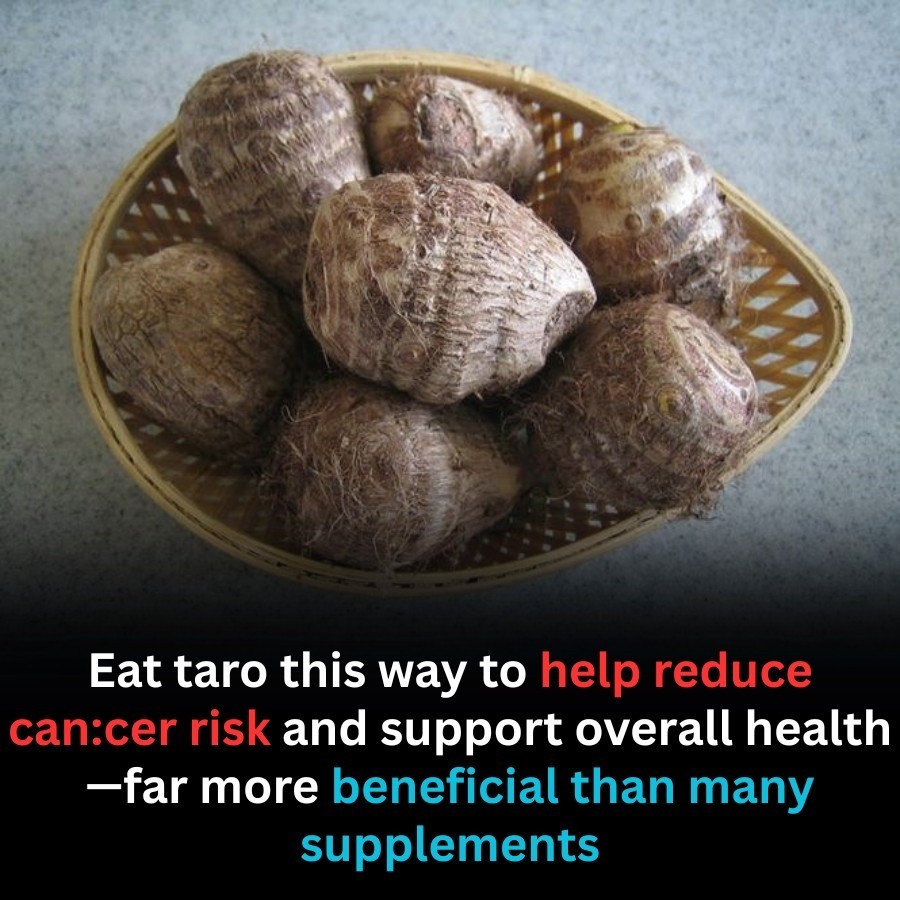
Taro is a starchy root vegetable commonly used in Asian, African, and Pacific Island cuisines. It’s rich in complex carbohydrates, fiber, and a variety of plant compounds that contribute to its health-supporting properties.
However, taro must always be cooked before eating, as raw taro contains natural compounds that can irritate the mouth and digestive system.
Nutrients That Support Overall Health
- Dietary fiber, which supports digestion and gut health
- Antioxidants, which help protect cells from oxidative stress
- Potassium, important for heart and muscle function
- Vitamin E and vitamin C, which support immune health
These nutrients work together to support the body’s natural repair and defense systems.
How Taro May Play a Supportive Role in Cancer Prevention
Some studies suggest that the antioxidants and phytochemicals found in taro may help reduce chronic inflammation and oxidative damage — two factors associated with increased cancer risk.
Additionally, taro’s fiber content supports a healthy gut environment, which researchers increasingly recognize as important for immune function and long-term disease prevention.
It’s important to note that these effects are supportive, not curative or preventive on their own. Taro should be viewed as part of a healthy dietary pattern, not a standalone solution.
The Right Way to Eat Taro
Proper preparation is key to both safety and health benefits:
- Always cook taro thoroughly (boiling, steaming, baking, or stewing)
- Never eat raw taro
- Pair it with vegetables and lean proteins for balanced meals
- Avoid excessive frying, which can reduce nutritional value
Cooking neutralizes irritating compounds and makes taro easier to digest while preserving its beneficial nutrients.
ADVERTISEMENT
