ADVERTISEMENT
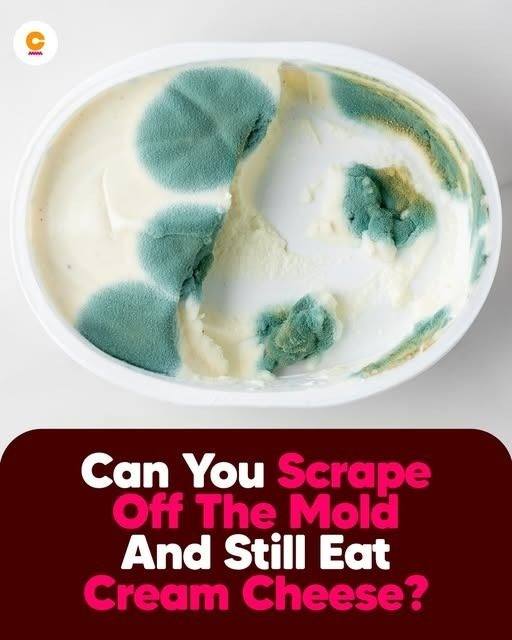
Soft Cheeses: Throw It Away
Soft cheeses, like ricotta, cream cheese, or cottage cheese, are more prone to mold contamination because moisture allows mold to spread quickly. Even if you remove the mold, the rest of the cheese could be unsafe. In these cases, it’s best to discard the cheese entirely.
Tips to Prevent Mold Growth
- Store cheese properly – Wrap it in wax or parchment paper, then place it in an airtight container in the fridge.
- Keep it cold – Cheese lasts longer at lower temperatures.
- Check regularly – Inspect cheese frequently for mold growth or off smells.
Bottom Line:
Mold doesn’t always mean the end of your cheese, but safety depends on the type. Hard cheeses can often be salvaged by cutting away the mold, while soft cheeses should be discarded if mold appears. When in doubt, it’s better to err on the side of caution—your health is worth it.
ADVERTISEMENT
