ADVERTISEMENT
What the National Speed Limit Sign Means
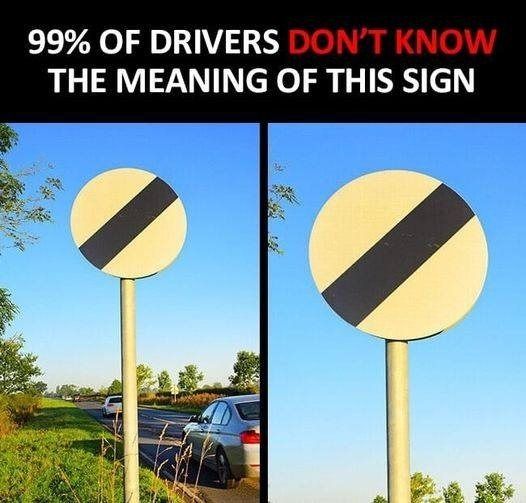
The National Speed Limit sign doesn’t display a specific speed because it refers to default maximum speed limits set by law, rather than a posted number. When you see this sign, it means that the road is no longer subject to a lower local speed restriction, and the national limits now apply.
The Actual Speed Limits Behind the Sign
While the sign itself doesn’t show numbers, the limits it represents are clearly defined:
- Motorways: Up to 70 mph
- Dual carriageways: Up to 70 mph (unless otherwise stated)
- Single carriageway roads: Up to 60 mph
Why the Sign Exists
The National Speed Limit sign helps reduce clutter on roads and provides flexibility. Instead of repeatedly posting speed numbers that might change based on road type, the sign allows drivers to rely on their knowledge of road rules. It’s especially common in rural areas, where speed limits often change between villages and open stretches of road.
When You Should Still Slow Down
Seeing this sign doesn’t mean you should always drive at the maximum allowed speed. Road conditions, weather, traffic, and visibility still matter. The law requires drivers to travel at a speed that is safe for the conditions—even if that speed is well below the national limit.
ADVERTISEMENT
