ADVERTISEMENT
The Surprising Tip: Change Your Router’s Location
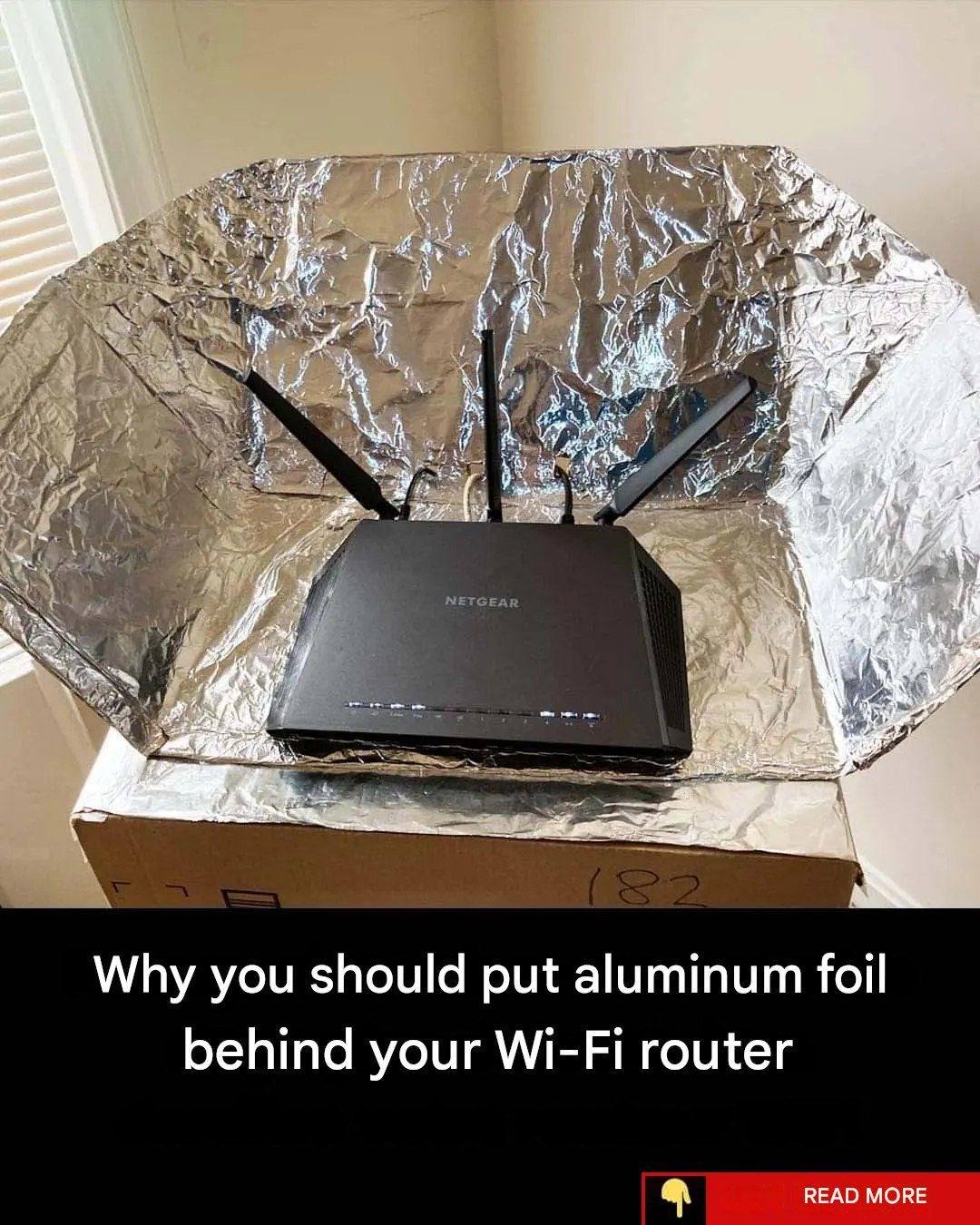
Many people don’t realize that where your router sits can dramatically affect your Wi-Fi performance. Even small changes in placement can reduce interference, improve signal strength, and give you faster, more reliable internet—without spending a dime.
Why Router Placement Matters
Wi-Fi signals are essentially radio waves, and their strength depends on:
- Distance from your devices
- Obstacles like walls, floors, and furniture
- Interference from electronics, metal objects, or even mirrors
How to Optimize Router Placement
- Centralize the Router
- Place it in the middle of your home rather than in a corner.
- This ensures more even coverage across all rooms.
- Elevate the Router
- Higher positions, like on a shelf or wall mount, allow signals to travel more freely.
- Avoid placing it on the floor.
- Keep Away From Obstacles and Electronics
- Metal cabinets, microwaves, cordless phones, and mirrors can block signals.
- Maintain a clear line of sight wherever possible.
- Angle Antennas Properly
- If your router has adjustable antennas, position one vertically and one horizontally for better coverage.
- Limit Interference
- Devices using the same 2.4 GHz frequency (baby monitors, Bluetooth devices) can reduce speed.
- Switching to the 5 GHz band on modern routers can bypass most interference.
Bonus Tip: Use a Wi-Fi Extender or Mesh System
If your home is large or has thick walls, a Wi-Fi extender or mesh network can eliminate dead zones. These systems work with your existing router to ensure every corner of your home gets a strong signal.
Additional Small Fixes That Help
- Restart your router periodically to clear temporary issues
- Keep router firmware updated
- Use wired Ethernet for devices that require stable, high-speed connections
ADVERTISEMENT
