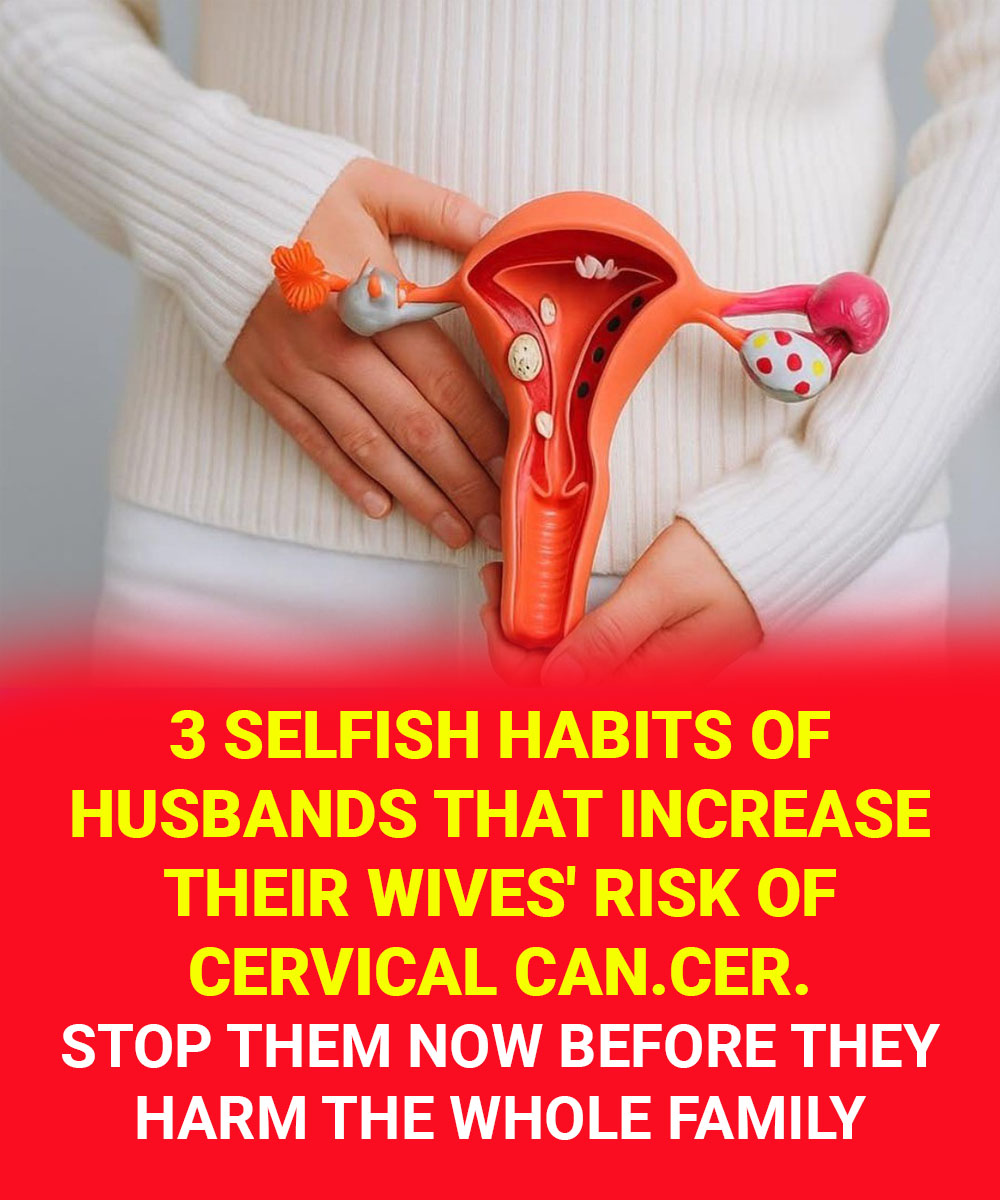
Here are three harmful habits husbands must stop—now.
1. Unsafe Sexual Behavior and Poor Sexual Health Awareness
One of the strongest risk factors for cervical cancer is persistent infection with human papillomavirus (HPV). HPV is a sexually transmitted virus, and men are often carriers without any symptoms.
When a husband:
- Has multiple sexual partners
- Refuses to use protection
- Avoids sexual health checkups
- Lies about past or current sexual activity
he dramatically increases his wife’s risk of HPV infection—without her consent or knowledge.
Many women who develop cervical cancer were faithful in their marriages. The danger came from a partner who treated sexual health casually and selfishly.
What must change:
Husbands must take responsibility for sexual health, practice fidelity, use protection when needed, and understand that their actions directly affect their wives’ long-term health.
2. Smoking and Exposing Wives to Secondhand Smoke
Smoking doesn’t only damage the smoker’s body. Research shows that secondhand smoke weakens the immune system, making it harder for the body to clear HPV infections—a key step in preventing cervical cancer.
When a husband smokes:
- Inside the home
- Near his wife
- In shared spaces
he increases her exposure to toxic chemicals that can damage cervical cells over time.
For women already exposed to HPV, secondhand smoke may raise the risk of those abnormal cells turning cancerous.
What must change:
Quitting smoking—or at the very least, never smoking around family members—is not a personal preference. It’s a responsibility. Protecting your wife’s health should come before nicotine addiction.
3. Ignoring or Discouraging Women’s Health Care
Some husbands dismiss their wives’ health concerns, delay clinic visits, or refuse to support regular gynecological checkups due to:
- Cost concerns
- Cultural stigma
- Control or indifference
- Belief that screenings are “unnecessary”
This is extremely dangerous.
Cervical cancer is highly preventable and treatable when detected early through regular Pap smears and HPV testing. Delays caused by lack of support can turn a manageable condition into a life-threatening disease.
What must change:
A supportive husband encourages medical checkups, helps cover costs when possible, and understands that preventive care saves lives. Early detection protects not just a wife—but children, families, and futures.
