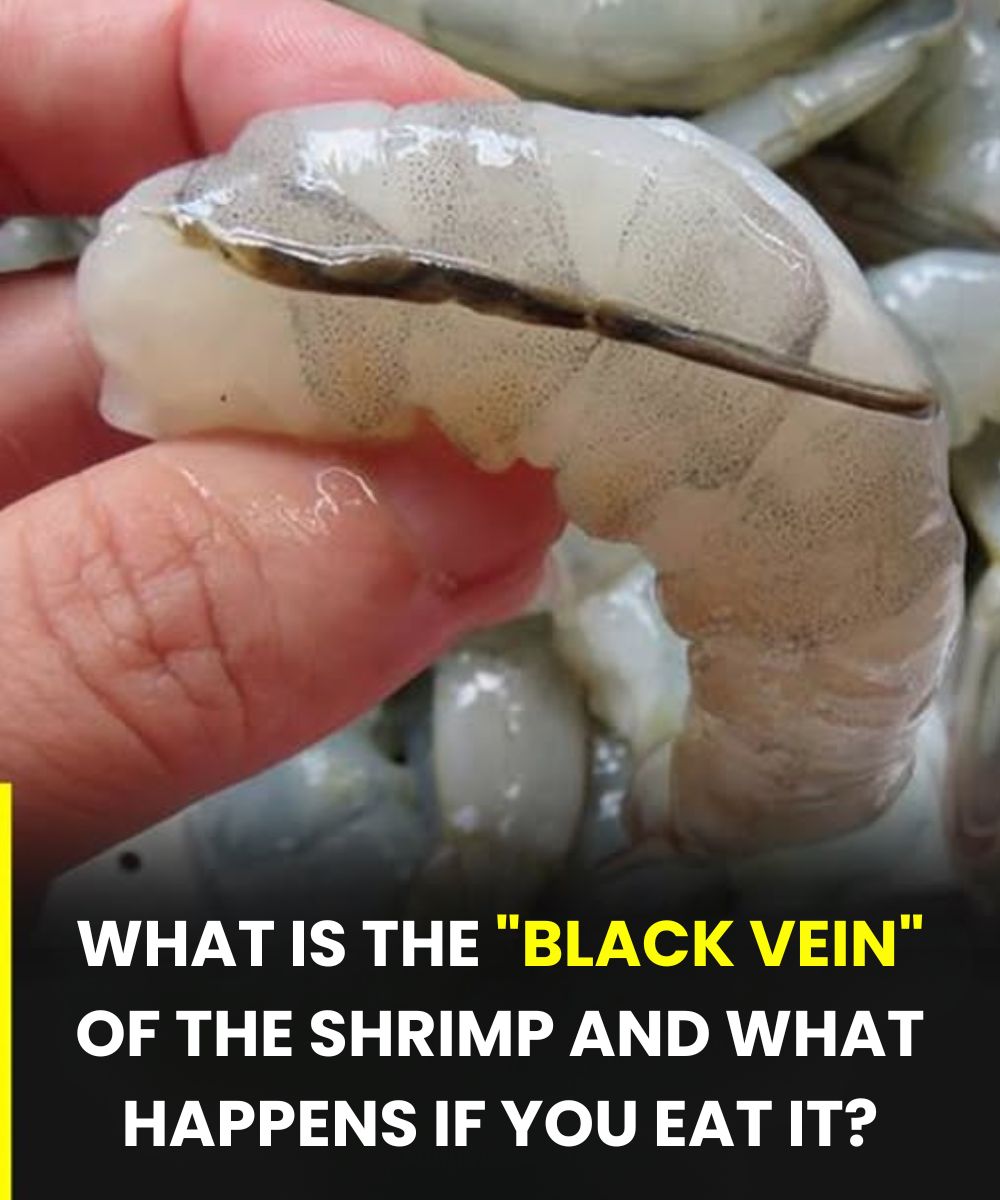
On the underside of the shrimp, there may also be a lighter-colored line—this is another part of the digestive system, but it’s usually less noticeable and less discussed.
Is It Safe to Eat?
Yes, it’s completely safe to eat shrimp with the vein intact. There’s no health risk involved. Many people around the world regularly eat shrimp without deveining them, especially when the shrimp are small.
The issue isn’t safety—it’s texture and appearance.
Why Some Cooks Remove It
There are a few reasons why recipes often recommend deveining shrimp:
1. Grit and Texture
Sometimes the digestive tract contains sand or grit, which can feel unpleasant when you bite into it. Removing it ensures a cleaner eating experience.
2. Appearance
In visually focused dishes—like shrimp scampi, shrimp cocktail, or fine dining presentations—the dark line can look unappealing.
3. Flavor Sensitivity
While subtle, some people believe the vein can add a slightly bitter or “muddy” taste, especially in larger shrimp.
Why Many Chefs Leave It In
On the other hand, plenty of cooks don’t bother removing it at all:
- Small shrimp often have barely noticeable veins
- In strongly flavored dishes (curries, stews, stir-fries), the taste difference is negligible
- Deveining can be time-consuming, especially when cooking for a crowd
- In some traditional cuisines, shrimp are cooked whole, shell and all
In short: leaving the vein in is common, practical, and culturally normal in many places.
When You Should Definitely Devein Shrimp
While it’s optional most of the time, deveining is a good idea when:
- Using large or jumbo shrimp
- Serving shrimp peeled and prominently displayed
- Making dishes with delicate flavors
- Cooking for guests who may be sensitive to texture
How to Devein Shrimp (Quick Guide)
- Peel the shrimp (leave the tail on if you like).
- Use a small knife to make a shallow cut along the back.
- Lift out the dark line with the tip of the knife or rinse it away.
- Rinse briefly and pat dry.
Many store-bought shrimp are already deveined, which saves time.
