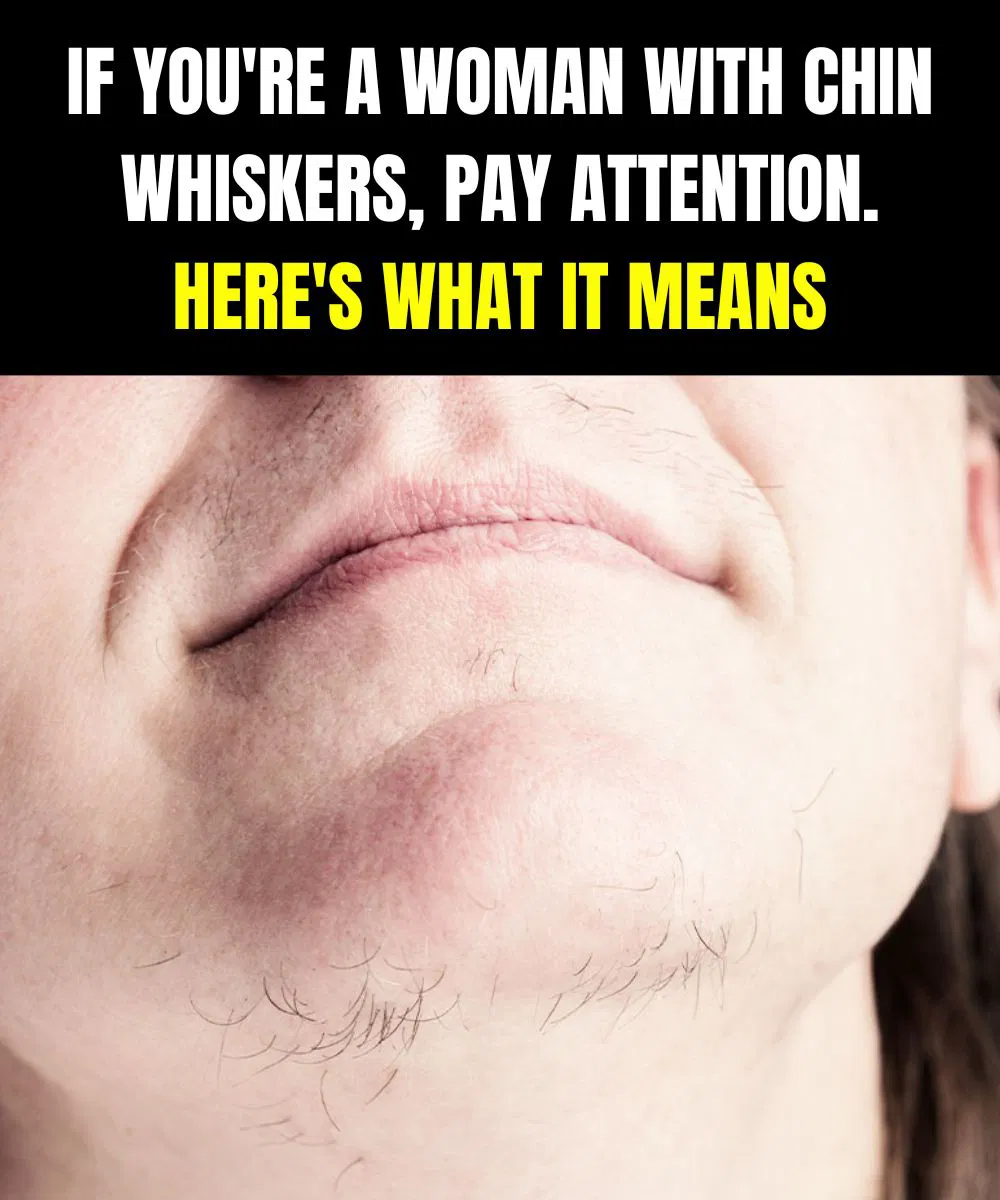
Common Hormonal Reasons for Chin Hair
1. Polycystic Ovary Syndrome (PCOS)
PCOS is one of the most common hormonal conditions linked to excess facial hair. Women with PCOS often have higher androgen levels, which can lead to chin hair, irregular periods, acne, and weight changes.
2. Hormonal Changes With Age
As women age—especially during perimenopause and menopause—estrogen levels decline faster than androgen levels. This imbalance can make facial hair more noticeable, even if hormone levels are technically “normal.”
3. Insulin Resistance
High insulin levels can stimulate the ovaries to produce more androgens. This is why chin hair is sometimes associated with blood sugar issues or metabolic conditions.
4. Genetics
Sometimes, it’s simply hereditary. If women in your family tend to have chin hair, you may be more likely to develop it regardless of hormone levels.
When Chin Hair Is Usually Normal
Occasional chin hairs that don’t increase over time are often completely normal. Stress, minor hormonal fluctuations, or even certain medications can trigger temporary changes. If your menstrual cycle is regular and there are no other symptoms, it’s usually nothing to worry about.
When to See a Doctor
You should consider medical advice if chin hair is:
- Rapidly increasing
- Accompanied by irregular periods
- Paired with acne, hair thinning on the scalp, or unexplained weight gain
Blood tests and ultrasounds can help identify underlying hormonal imbalances.
