ADVERTISEMENT
“Best By” and “Best Before” Dates: Why Most People Get Them Wrong
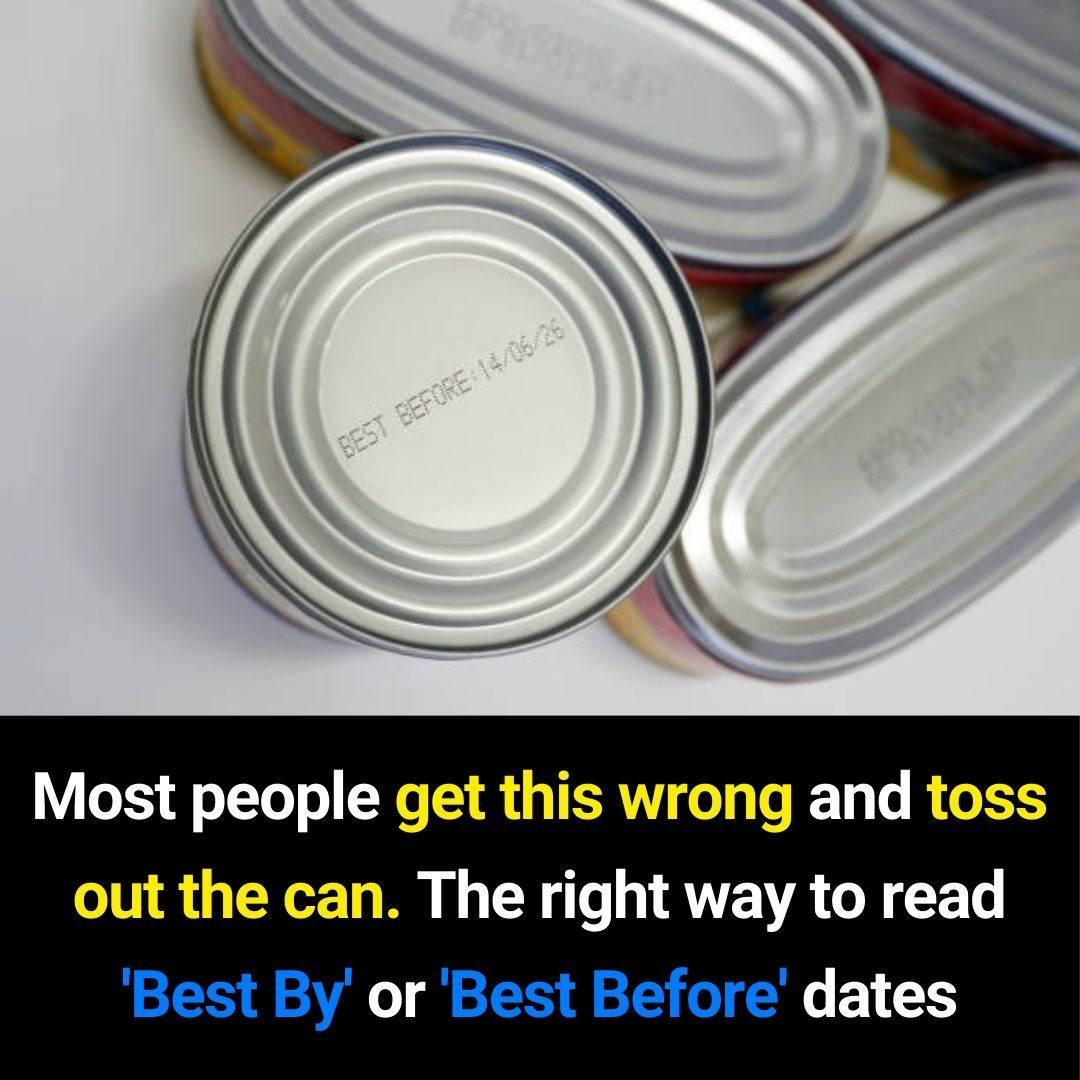
When it comes to food, those small printed dates on packaging—“Best By”, “Best Before”, or even “Use By”—can be confusing. Many people assume they indicate safety, but in reality, they often measure quality, not safety. Misunderstanding these labels leads to unnecessary food waste and sometimes unnecessary worry. Here’s what you need to know.
The Difference Between “Best By” and “Best Before”
- Best By: Indicates the date the manufacturer recommends consuming the product for peak quality. After this date, the flavor, texture, or freshness might decline, but the food is usually still safe to eat.
- Best Before: Commonly used on perishable items, this date signals when the food may start to lose quality. Like “Best By,” it’s about taste and texture, not necessarily safety.
- Use By: This one is different—usually found on highly perishable foods like meat or dairy. It’s closer to a safety guideline, and consuming products after this date may pose a health risk.
Why People Get It Wrong
- Confusing quality with safety: Many assume that once a “Best By” date passes, the food is unsafe, which is often untrue.
- Discarding food too early: People throw away perfectly good items, contributing to massive food waste worldwide.
- Ignoring storage conditions: The dates assume proper storage. Refrigerated or frozen items can last longer than the printed date if stored correctly.
-
ADVERTISEMENT
