ADVERTISEMENT
What Expiration Dates Really Mean
Food expiration labels are not uniform. Here’s a quick breakdown:
- “Best Before”
- Indicates quality, not safety.
- The food is still safe to eat after this date, but taste, texture, or freshness may decline.
- “Use By”
- Relates to safety, especially for perishable items like dairy, meat, or prepared meals.
- Consuming food past this date could pose a health risk.
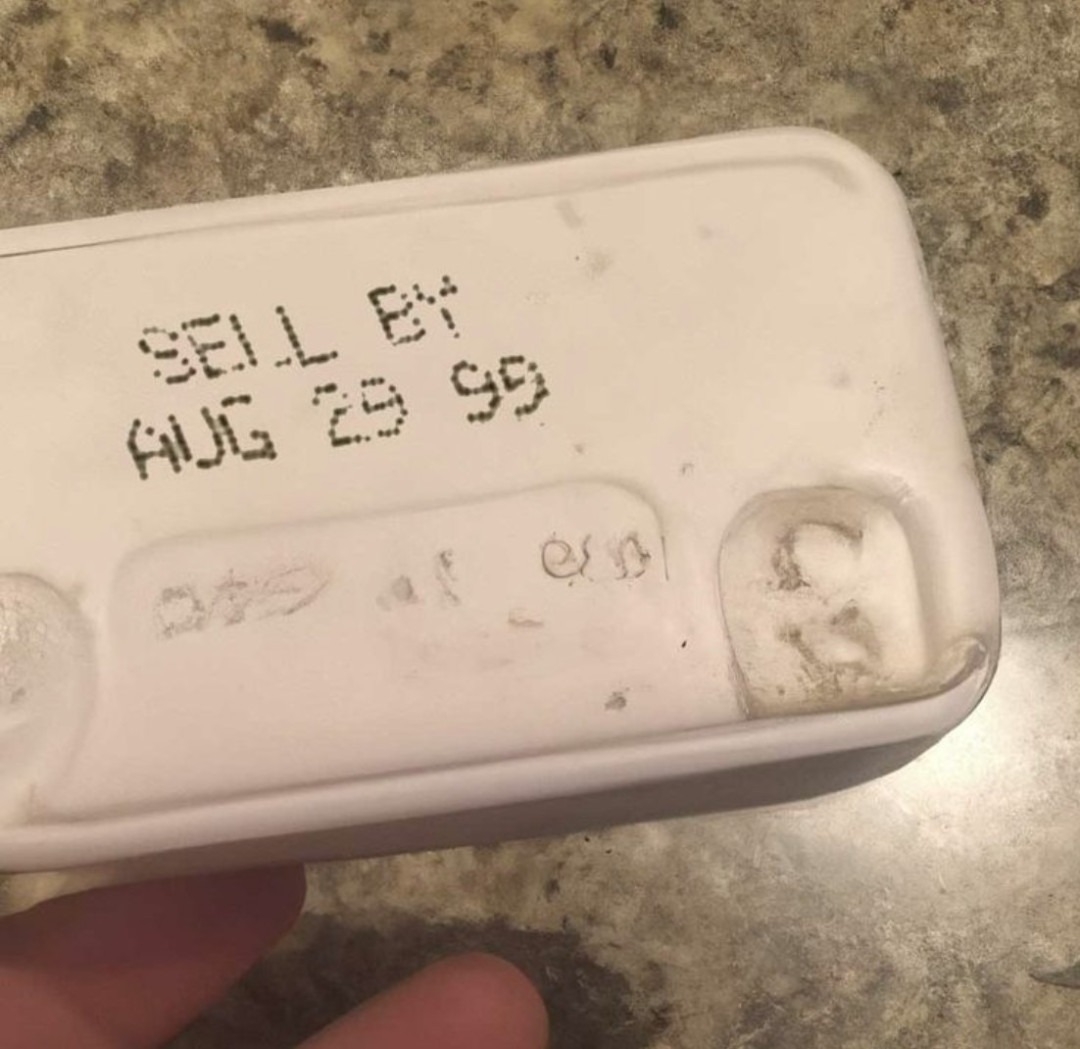
- “Sell By”
- Intended for retailers, not consumers.
- Helps stores manage inventory, but food can still be safe for days or weeks afterward depending on the product.
Factors That Affect Shelf Life
Expiration dates are just guidelines. Real shelf life depends on:
- Storage conditions: Keep perishables cold and dry.
- Packaging: Vacuum-sealed or airtight containers last longer.
- Food type: Fresh produce, meats, and dairy spoil faster than canned or dry goods.
Tips for Knowing When to Toss Food
- Look: Mold, discoloration, or unusual texture is a clear warning.
- Smell: Off, sour, or strange odors are signs of spoilage.
- Touch: Slimy, sticky, or overly soft surfaces can indicate bacteria growth.
- Taste: Only if everything else seems normal, take a small taste; discard immediately if it’s off.
Rule of thumb: When in doubt, throw it out—especially for high-risk items like raw meat, seafood, or soft cheeses.
ADVERTISEMENT
