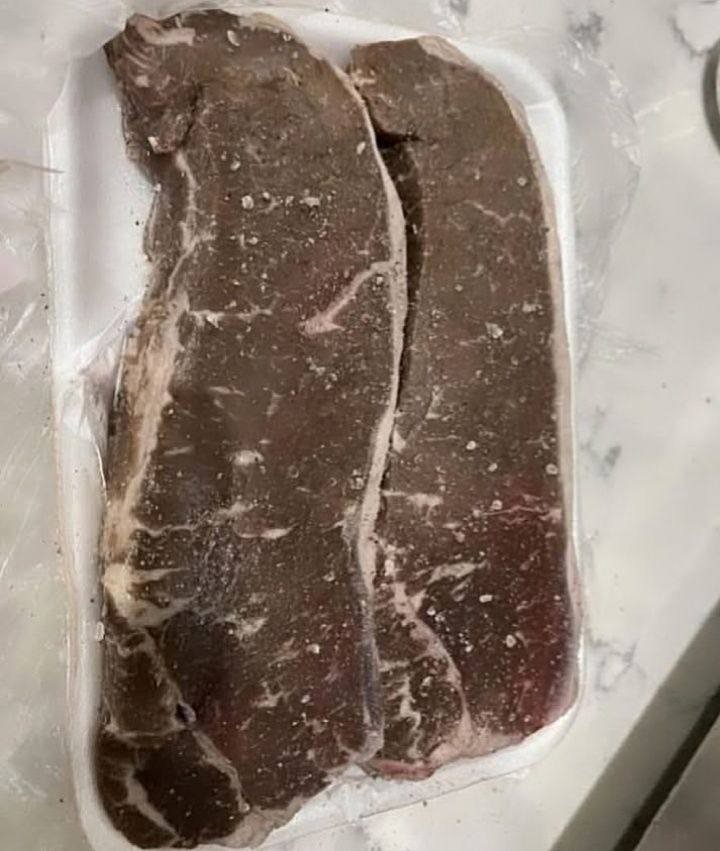
What to Know When You’re Cooking Meat That Expired Today
We’ve all been there: you buy an expensive cut of meat, check the fridge, and notice the expiration date is today. You know some color changes are normal, but the smell makes you uneasy—and the thought of wasting $27 just adds pressure. What’s safe, and what isn’t? Here’s a practical guide.
1. Browning Isn’t Always a Red Flag
Fresh meat can change color for a number of normal reasons:
- Oxidation: Oxygen reacting with myoglobin in the meat can turn red meat brown or gray.
- Surface drying: Air exposure can change the color without affecting safety.
Tip: Browning alone doesn’t mean your meat is unsafe—it’s the smell, texture, and storage conditions that matter more.
2. Smell Matters… Even If You Can’t Fully Judge It
Raw meat has a subtle natural odor, which can be hard to distinguish if you’re sensitive to the smell. Warning signs include:
- Sour, ammonia-like, or off-putting odors
- Strongly rancid or chemically smells
If the meat smells “a little funny” but not sharply off, it may still be okay—but if you feel unsure, it’s better to err on the side of caution.
3. Salt, Pepper, and Cooking Safety
Adding salt and pepper won’t kill bacteria—heat will. Proper cooking is crucial:
- Cook thoroughly: Make sure the meat reaches the recommended internal temperature (check with a meat thermometer if possible).
- Sear properly: Browning the outside helps flavor and ensures a safe exterior.
- Avoid cross-contamination: Keep raw meat separate from utensils, cutting boards, and other foods.
For beef:
- Steaks: at least 145°F (63°C) with a 3-minute rest
- Ground beef: 160°F (71°C)
- Poultry: 165°F (74°C)
4. Price Doesn’t Change Safety
It’s understandable to want to eat meat you spent $27 on, but value doesn’t equal safety. Eating spoiled meat can lead to food poisoning, which is far more expensive in terms of time, health, and discomfort.
